A Sprout on the Sill: Why the Smallest Garden Might Be the Kindest Habit You Start This Year
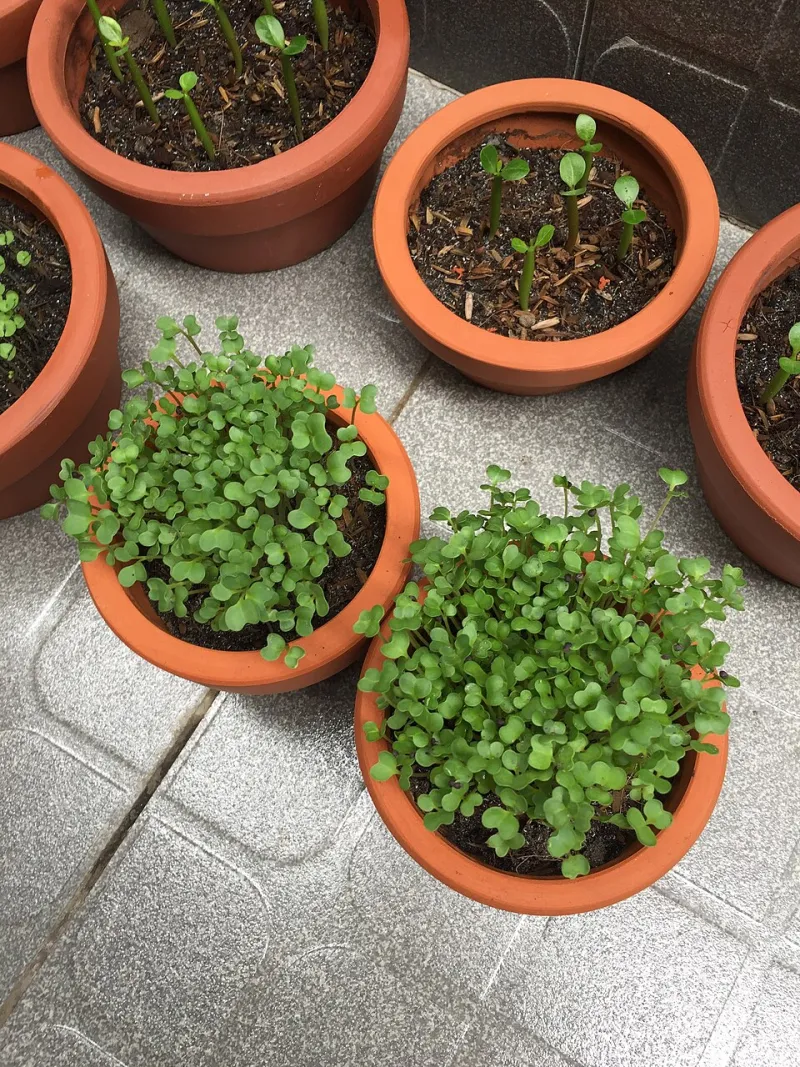
Photo: Zenyrgarden, CC BY-SA 4.0, via Wikimedia Commons
There's a particular kind of tiredness that comes from feeling like everything in your life needs maintenance. The car needs an oil change. The inbox needs you. The houseplants — well, the houseplants are a sore subject.
So the idea of starting a garden probably sounds like one more obligation wearing a cute hat. But here's a gentler proposal: not a garden, exactly. Just a jar. A small handful of seeds. A spot on the kitchen windowsill where you already stand every morning waiting for the coffee to finish.
That's it. That's the whole setup. And it might quietly become the best two minutes of your day.
Why So Small?
We tend to assume that meaningful things have to be big things. A real garden. A serious workout plan. A full Sunday meal-prep operation. But big things are heavy, and heavy things get abandoned — usually around the third week of January.
A windowsill garden is the opposite of heavy. Microgreens — the baby versions of plants like broccoli, radish, peas, and sunflower shoots — go from seed to harvest in about a week to ten days. Herbs like basil and mint take a little longer, but they're forgiving, and they smell like a promise the moment you brush past them.
The stakes are delightfully low. If a batch fails, you've lost a packet of seeds that cost less than a fancy latte. Nobody is disappointed. There's no CSA to answer to. You just sprinkle more seeds and try again, which is honestly a pretty good metaphor to keep within arm's reach.
Your Five-Minute Setup
Everything you need is probably at a grocery store, a hardware store, or already hiding in your kitchen drawer:
- A shallow container. A recycled clamshell from the salad bar, a tin, a small tray with drainage holes. Nothing fancy.
- Potting soil or a paper towel. Soil gives the best results; a damp paper towel works for a truly zero-effort first attempt.
- Seeds. Look for "microgreen seeds" or just grab broccoli, radish, or pea seeds. Radish sprouts fast, which matters when you're building a new habit — quick wins keep you coming back.
- A sunny windowsill. East- or south-facing is ideal in most US homes, but honestly, any bright ledge will do.
Sprinkle the seeds densely over damp soil, press them down gently, cover the tray for a couple of days until they sprout, then uncover them and let them reach for the light. Mist them once a day — or whenever you happen to notice them, which is really the same thing in practice.
The Two-Minute Ritual You Didn't Know You Needed
Here's where the magic sneaks in. Tending your little tray takes maybe sixty seconds. But those sixty seconds happen in the middle of a morning that's probably otherwise a blur of phones, keys, and half-finished toast.
Misting a tray of seedlings forces a tiny pause. You look at something green. You notice that the radishes came up overnight. You feel, briefly, like a person who keeps things alive — which, if your week has been a lot, is a quietly restorative thing to feel.
Think of it as the horticultural cousin of a breathing exercise. Your attention lands on one small, slow, living thing, and your nervous system gets a moment to land with it.
A Tiny Harvest, A Tiny Reward
In about a week, you'll have a crop of peppery radish sprouts or sweet pea shoots ready for a sandwich, a scramble, or a bowl of grocery-store tomato soup that suddenly tastes intentional.
There's something about eating food you grew — even food you grew on a two-square-foot ledge — that recalibrates your relationship with your kitchen. It's not self-sufficiency. It's not homesteading. It's a small, ongoing conversation between you and a plant, held in the corner of a room where you make your coffee.
When It Doesn't Go Well
Some batches will get leggy. Some will mold because you loved them with too much water. Some will just... sulk. That's fine. That's actually the practice.
A windowsill garden teaches the gentlest version of resilience: things grow, things fail, you try again next week, and almost nothing about it is actually in your control. For anyone whose days are full of things that very much need to be controlled, that little dose of surrender can be a relief.
Start Tomorrow Morning
Pick up a packet of radish seeds on your next errand run — any garden center, hardware store, or mainstream grocery chain in the US will have them. Fill a container tonight so it's waiting for you. Then, tomorrow, while the coffee brews, give sixty seconds to something small and green.
You won't have a garden. You'll have something better: a daily reminder that good things really do come from small, unhurried attention — and that you're allowed to give it.