Before You Walk In the Door: The Case for a Six O'Clock Stroll
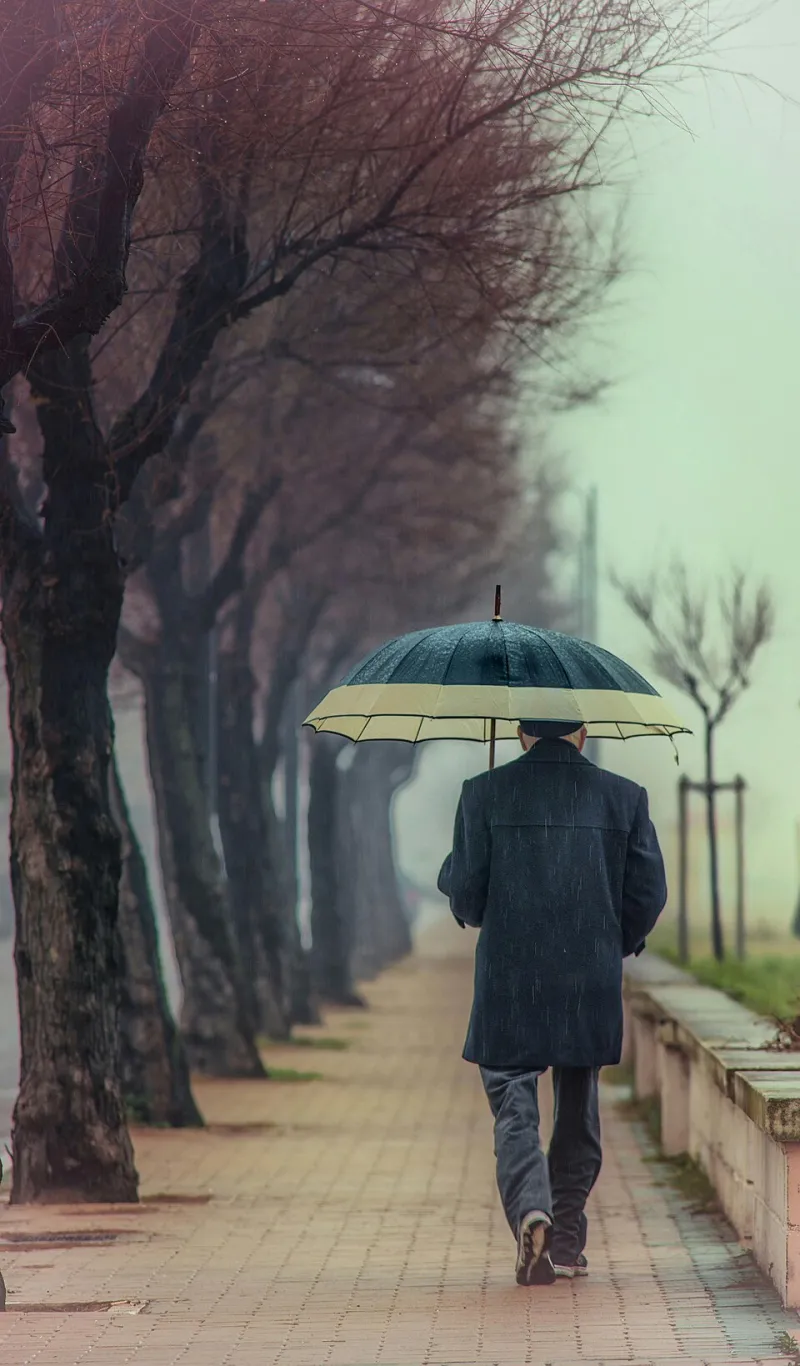
Photo: Vovogov90, CC0, via Wikimedia Commons
There's a particular moment many of us know well: the laptop closes, the commute ends, and we walk through the front door still carrying the whole day on our shoulders. The emails haven't left our bodies. The tense jaw, the shallow breath, the mental tab that never quite closed — it all comes inside with us.
What if the answer wasn't another app, supplement, or self-improvement project, but something almost embarrassingly simple? A short walk at the end of the workday — often called the 6 p.m. walk — is having a quiet moment in wellness circles, and honestly, it deserves it.
The Transition Your Body Is Asking For
Our grandparents had built-in buffers between work and home. A train ride, a drive, a stop at the grocery store. Many of us now roll from a day of video calls straight into dinner prep with nothing in between — no decompression chamber for the nervous system.
Movement researchers and stress physiologists often describe low-intensity walking as one of the most accessible ways to complete the stress cycle. When you spend all day in mild fight-or-flight — deadlines, notifications, that one coworker — your body accumulates stress hormones like cortisol. Rhythmic, gentle movement helps signal to your body that the threat has passed. It's not a workout; it's a message: you're safe now.
There's a digestive bonus, too. A post-meal or post-work stroll encourages what gastroenterologists sometimes call a gastric rhythm reset — walking after eating can help with blood sugar regulation and that heavy, sluggish feeling after dinner. In many cultures, from the Italian passeggiata to the after-dinner walks common across Japan and much of Europe, this isn't a wellness trend. It's just... life.
Why Gentle Beats Intense (Yes, Really)
Here's where the wellness industry gets it wrong: we're conditioned to believe if a walk doesn't hit a step goal or a heart-rate zone, it doesn't count. But the magic of the evening walk lives in its low intensity.
A brisk, tracked, optimized walk can still be great. But an unhurried one does something different. It lowers arousal in the nervous system rather than adding another performance metric to your day. You don't need special clothes, a subscription, or a plan. You just need shoes and a door.
Think of it as the difference between scrolling through your phone to relax and actually letting your mind idle. The walk is idling with your legs.
Starting the Habit in Any Season, Any Neighborhood
The beauty of this ritual is its flexibility. A few ways to make it work where you are:
If you live in a city. Walk the same block loop daily — familiarity is soothing, and repetition is part of what makes it a ritual. No park nearby? A stroll past storefronts counts. Window-shopping at a snail's pace is legitimate movement.
If you're in the suburbs. Use the walk to literally mark the end of work — a loop around the block before you go inside can become your commute replacement. Even five minutes matters.
If it's freezing. Winter walks hit different when you lower the bar: ten minutes, warm layers, and a hot drink waiting when you get back. If it's truly brutal, a slow lap of a grocery store, a mall, or even your hallway with a podcast counts. Movement is movement.
If it's dark early. Grab a headlamp or stick to well-lit streets, and treat the darkness as part of the wind-down rather than an obstacle. There's something quietly cozy about an evening walk when the porch lights are on.
Making It Feel Like a Treat, Not a Task
The fastest way to kill a gentle habit is to turn it into another obligation. A few reframes that help:
- Pair it with something you love. A favorite playlist, a phone call with your sister, a true-crime podcast you only allow yourself on walks. This is called temptation bundling, and it works.
- Keep it short on hard days. Five minutes is a full walk. The habit is the showing up, not the duration.
- Leave the tracker behind. If checking your step count makes walking feel like a job, leave the watch charging. This walk is off the books.
- End with a threshold moment. Before you walk back in your door, take one slow breath and let the day end on purpose. It sounds small. It is small. That's the point.
The Softest Form of Consistency
You don't have to do it every day. You don't have to enjoy it right away. But if you try it this week — laptop closed, shoes on, one unhurried loop before you rejoin your life — you may notice something shift. The day feels finished. Your shoulders drop an inch. The transition you didn't know you were missing becomes the rhythm your evenings were waiting for.
That's the whole idea behind Gentle Rhythms: not another thing to optimize, but one small, kind habit that makes the rest of the day easier to hold.