Put Down the Step Counter: A Short Walk Is Still a Walk

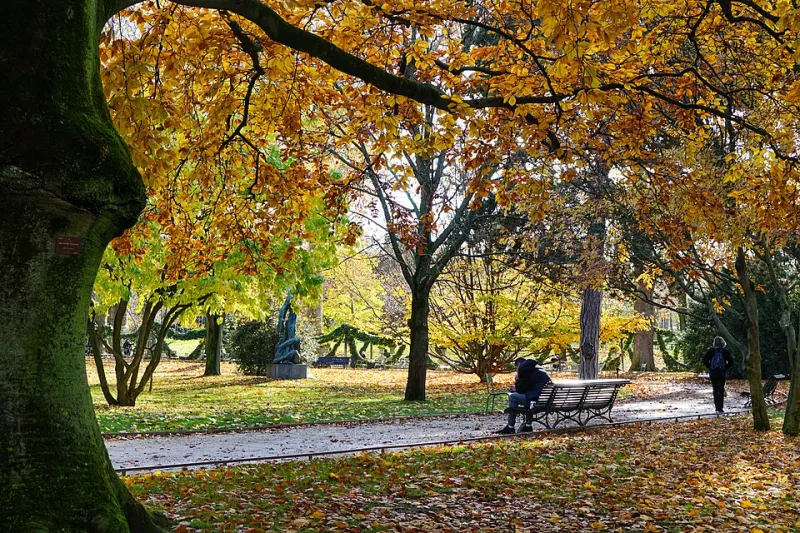
Photo: evergladesnps, Public domain, via Wikimedia Commons
There's a number floating around in most of our heads. Ten thousand steps. It sits there, quietly judging us, buzzing on our wrists when we hit some milestone and staying silent when we don't. And for a lot of us — especially those of us already stretched thin — that number has stopped feeling like encouragement and started feeling like one more thing we're failing at.
Here's a thought worth sitting with: you can skip it. Not the walking. The counting.
Where Ten Thousand Steps Actually Came From
The famous figure wasn't handed down by researchers. It traces back to a 1960s Japanese pedometer marketing campaign — a device called the manpo-kei, which roughly translates to "10,000 steps meter." It was a catchy number, so it stuck. Decades later, it's treated like medical law.
The actual science is far friendlier. Studies have consistently shown that health benefits from walking begin well before five thousand steps, and that even modest daily movement — think ten to twenty minutes — is linked to better blood sugar regulation, improved mood, and lower cardiovascular risk. One widely cited 2023 analysis found that the biggest jump in benefit happens when people simply move from being sedentary to being a little active. The curve is steep at the start, not at the finish line.
In other words: the walk around the block you keep dismissing because it's "not enough"? That's exactly where the good stuff lives.
When Movement Becomes Another Chore
There's an irony in turning walking — one of the most restorative things a human body can do — into a performance metric. Step-count pressure can push people into an all-or-nothing mindset. If you can't hit the number, why hit any of it? Miss a few days, and the tracker feels less like a tool and more like a report card you keep flunking.
For readers already carrying stress, deadlines, and the general hum of modern American life, adding a numeric goal to movement can drain the very calm we're walking to find. A stroll that's supposed to settle your nervous system doesn't settle much when you're power-walking to beat yesterday's score.
What a Fifteen-Minute Walk Actually Does
Let's give the short walk its due credit, because it earns it:
- Blood sugar: A brief post-meal walk helps your muscles pull glucose out of the bloodstream, smoothing out the spike-and-crash cycle that leaves you foggy by mid-afternoon.
- Mood: Short bouts of walking reliably reduce anxiety and rumination. You don't need an hour for your brain to change channels.
- Creativity: Research from Stanford found that walking boosts creative thinking — and the benefit showed up whether people walked for a few minutes or longer, indoors or out.
- Sustainability: A fifteen-minute habit is one you'll actually keep. The ten-thousand-step ideal, for many people, is a habit that collapses under its own weight.
That last point matters most. Gentle routines survive because they're easy to love, not because they're impressive.
Try the Unmeasured Stroll
If your tracker has been running the show, here's a soft experiment for the coming week:
- Leave the phone in your pocket — or at home. No tallying, no route optimization. Just you and the sidewalk.
- Pick a time that already exists. After lunch, before dinner, right when you get home from work. Anchor it to something you already do.
- Let it be boring. Notice the neighbor's hydrangeas, the way the light hits around 6 p.m., the sound of sprinklers in the evening. Boredom, it turns out, is close cousin to calm.
- Stop when it stops feeling good. Not when a number says so. When you say so.
Some days that walk will stretch to forty minutes because it feels good to keep going. Other days it'll be ten, because that's what you had. Both count. Neither needs a receipt.
The Pace That Lasts
We talk a lot here about rhythms — gentle ones, the kind you can actually live inside of. Step goals aren't evil, and if counting genuinely motivates you, keep counting. But if the number has become a small, daily weight, consider this your permission slip to set it down.
The walk was never about the steps. It was about stepping outside, breathing different air, and giving your mind a room with a new view. Fifteen minutes does that. A slow loop around the block does that.
No badge required.