You Don't Have to Earn Your Evening: Letting Go of Rest Guilt
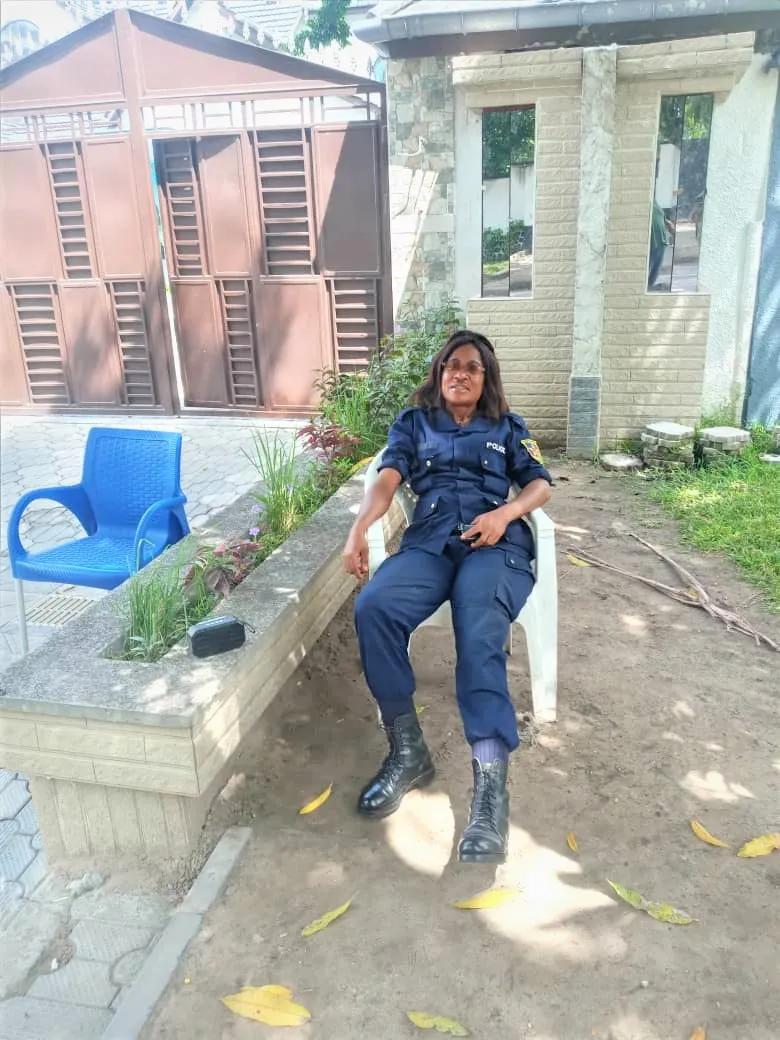
Photo: Rahul Tilak, CC BY-SA 4.0, via Wikimedia Commons
Picture this: it's 8 p.m. on a Tuesday. The dishes are done, the kids are down, the laptop is finally closed. You sink into the couch, and within ninety seconds, a familiar voice pipes up. You should be folding laundry. You should be answering those emails. You should be doing something.
If you've heard that voice, you're in good company. Somewhere along the way, many Americans absorbed a strange belief: that rest is a reward, something you earn by finishing everything else first. And since the list is never finished, rest never quite arrives. We've turned downtime into a debt we're always paying off.
Where the Guilt Comes From
Rest guilt didn't appear out of nowhere. We live in a culture that celebrates the grind — the side hustle, the 5 a.m. workout, the badge of honor that is 'crazy busy.' Productivity has quietly become a personality trait. Add in the blurred lines of remote work, where the laptop lives on the kitchen counter and the inbox follows us to bed, and it's no wonder sitting still feels like breaking a rule.
For many of us, it runs even deeper. Somewhere in childhood, we learned that being useful meant being valuable. Rest, then, feels like being useless — even though nothing could be further from the truth.
What the Guilt Actually Costs
Here's the uncomfortable part: treating rest as optional doesn't make us more productive. It makes us exhausted, scattered, and frankly, less pleasant to be around. Chronic rest deprivation is linked to higher anxiety, trouble focusing, irritability, and burnout — that hollow, running-on-empty feeling so many of us know too well.
And there's a sneaky irony at play. When we finally do rest, we do it badly — half-watching a show while scrolling, mentally drafting tomorrow's to-do list. We're so conditioned to justify rest that we can't even enjoy it when we get it. That's not recovery. That's just exhaustion with better lighting.
A Different Way to Think About It
Here's the reframe Gentle Rhythms lives by: rest isn't a reward. It's maintenance. You don't earn water by finishing your chores; you drink it because your body needs it. Rest works the same way. It's not a treat at the end of productivity — it's part of the machinery that makes anything else possible.
Think of it like this: nobody calls a car 'lazy' for needing gas. Nobody calls a field 'unmotivated' for lying fallow between seasons. We are not machines designed to run continuously. We're living things with rhythms — effort and ease, doing and being. When we skip the ease half, we're not being disciplined. We're just running on empty and calling it a lifestyle.
Small Ways to Practice Guilt-Free Rest
You don't need a weeklong retreat to start. Try these small, judgment-free practices:
- Schedule rest like it's real. Put a 20-minute block on the calendar and treat it with the same respect as a meeting. If someone asks, it's an appointment. It is.
- Rest before you 'deserve' it. Once a week, rest first — before the inbox, before the errands. Notice that nothing collapses.
- Name it out loud. Tell your family, 'I'm taking a break for twenty minutes.' Saying it makes it real and models something important for the people watching you.
- Pick a rest that actually rests you. Scrolling isn't rest. Find what genuinely fills your cup — a walk, a nap, staring at the ceiling, a chapter of a novel. It counts even if it looks like nothing.
- Retire the apology. Practice the phrase: 'I'm resting.' Not 'sorry, I was just...' You're allowed to occupy your own evening.
Start With Ten Minutes
If all of this feels impossible, start absurdly small. Ten minutes. Sit somewhere comfortable, put the phone face down, and do nothing in particular. When the guilt shows up — and it will — greet it like a fussy relative: acknowledged, but not in charge. Yes, I see you. I'm resting anyway.
Over time, that voice gets quieter. And what grows in its place is something quieter still: the understanding that you are not a productivity machine with a pulse. You're a person with rhythms. And rhythms, by their very nature, include pauses.
Rest isn't the prize at the end. It's part of the way through — and you're allowed to have it, today, exactly as you are.