Your Breath Is a Remote Control: 7 Gentle Patterns to Calm a Nervous System Stuck on High
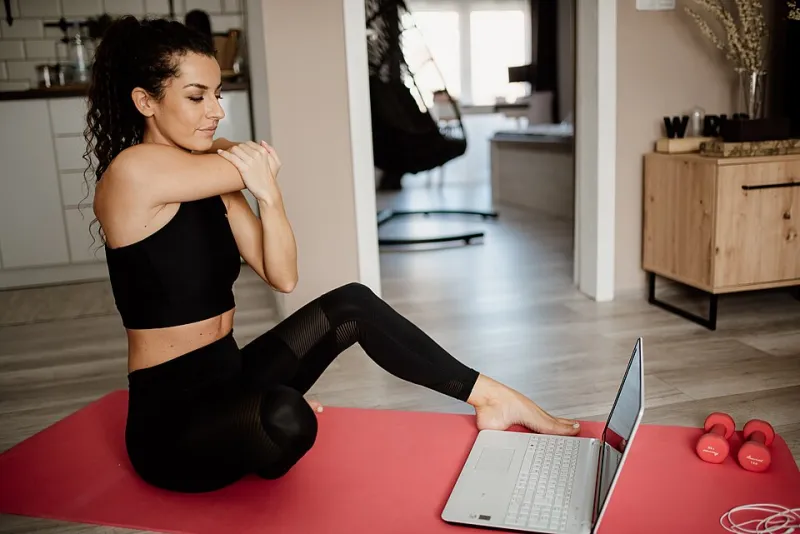
Photo: Shixart1985, CC BY 2.0, via Wikimedia Commons
If the idea of meditation makes you twitchy — the sitting still, the silence, the app subscription — here's some good news: you already own the most accessible calming tool there is. It's running in the background right now.
Your breath is the one bodily function that works automatically but can also be steered by hand. And that steering wheel connects directly to your nervous system. When you breathe slowly and deeply, with longer exhales than inhales, you signal the vagus nerve — the main communication line between your brain and body — that the emergency is over. Heart rate eases down. Shoulders drop. Your mind gets the memo: we're safe.
No cushion required. Here are seven patterns to try, each suited to a different moment.
1. The Physiological Sigh (for right now)
The fastest tool in the kit. Take a deep inhale through your nose, then — before exhaling — sneak in a second, shorter inhale on top of it. Now exhale slowly through your mouth. Do this two or three times.
This double-inhale pattern is what your body does naturally after crying or during sleep, and it offloads carbon dioxide quickly, which drops stress levels fast. Use it before a difficult conversation or mid-panic spiral.
2. Box Breathing (for steady focus)
Inhale for four counts, hold for four, exhale for four, hold for four. Repeat four to eight rounds. The even, square rhythm gives your mind a simple job, which is why it's a favorite of people in genuinely high-pressure jobs. Best for pre-presentation nerves or when your thoughts are sprinting in circles.
3. 4-7-8 Breathing (for falling asleep)
Inhale through your nose for four, hold for seven, exhale slowly through your mouth for eight. The long exhale is the star here — it's what flips your body into rest mode. If the counts feel like too much at first, halve them all (2-3.5-4) and build up. Do four rounds in bed, lying down, lights off.
4. Extended Exhale (for everyday simmering stress)
The gentlest option: just breathe in for four and out for six. No holds, no counting gymnastics. This is the one to weave into ordinary moments — waiting for the kettle, sitting at a red light on your commute, listening to a coworker vent. Over a day, these small exhales add up.
5. Alternate Nostril Breathing (for a scattered brain)
Sounds exotic, is surprisingly simple. Close your right nostril with your thumb, inhale through the left. Close the left, exhale through the right. Inhale right, exhale left. That's one round — do five. The slow, deliberate switching gives an anxious brain something to hold onto, like a fidget toy made of air. Great for the 3 p.m. fog.
6. Pursed-Lip Breathing (for tension you feel in your chest)
Inhale through your nose for two counts, then exhale through pursed lips — like slowly blowing out birthday candles — for four. The resistance on the exhale slows your breathing rate without any effort or counting. Useful when anxiety is sitting in your chest and longer holds feel claustrophobic.
7. Coherent Breathing (for the long game)
Breathe in and out at an even five counts each — roughly five to six breaths per minute, which research suggests is a sweet spot for heart and nervous system health. There's no hold and no structure beyond the rhythm, which makes it easy to practice for five minutes while lying on the floor after work. Think of it as a maintenance dose.
A Few Gentle Ground Rules
Never strain. If any count feels like too much, shrink it. Breathwork should feel like relief, not performance.
Dizzy means slow down. A little lightheadedness means you're working too hard. Return to normal breathing and try again later with smaller counts.
Bigger isn't better. You're not trying to take huge gulping breaths — slow and modest beats deep and forceful every time.
This is a practice, not a cure. Breathwork is a wonderful tool for everyday anxiety, but if worry is running your life, pairing these with a therapist or doctor is a strength, not a failure.
Start with just one — the extended exhale is the easiest to adopt — and attach it to something you already do daily. Your nervous system will thank you, quietly, one slow breath at a time.